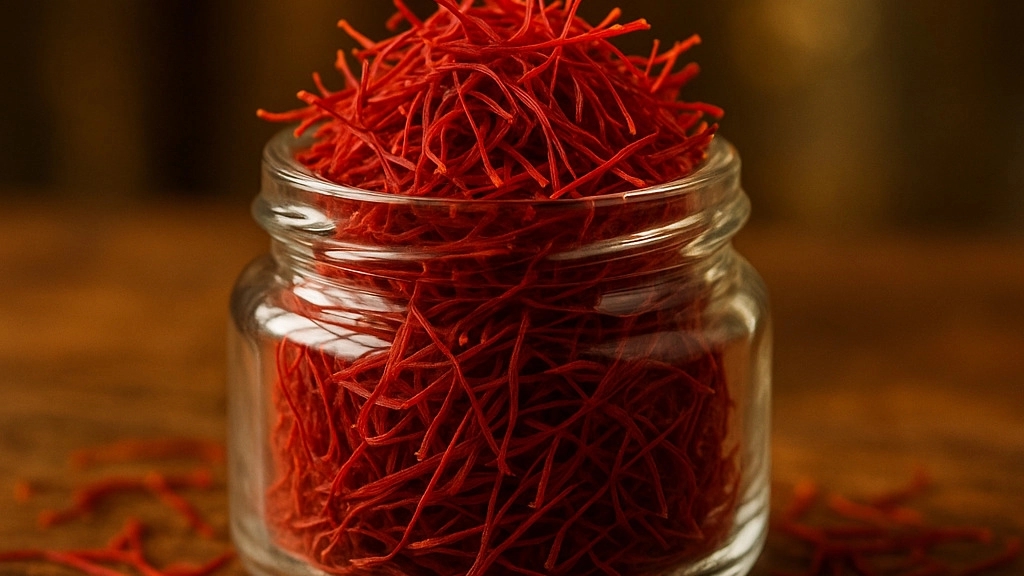
Saffron is known as Red Gold, and Iran as the largest producer of saffron in the world, has a distinguished area called Qaenat whose saffron is well known. But what is the difference between saffron and other saffron and why is it always recommended to choose the saffron? In this comprehensive article from https://behzi.ir/business/13894, we will thoroughly look at the difference between saffron saffron and other areas, features, quality, shopping and basic tips to make the right decision to buy saffron.
1. Introducing saffron and Iran's position in world production
saffron is one of the most valuable spices and herbs in the world, derived from Crocus sativus. Iran is the largest producer of saffron in the world and has more than 1 % of the global production of this product to Iran. But between the provinces and different cities of Iran, the saffron of Qaenat has always been the market leader because of its unique quality and high quality. This has led to a phrase such as "the difference between saffron and other saffron" becomes an important keyword.
2. Saffron of the caneat; National history and heritage
Qaenat is one of the cities of South Khorasan province which has long been known as its high quality saffron. The date of planting of saffron dates back to more than 5 years ago and has been transferred to generation, knowledge and experience of high quality saffron cultivation in the area.
1. The difference between the saffron of the saffron and the other saffron; The most important features
1. Factors Affecting the Quality of Saffron Qaenat
In agriculture, environmental conditions and cultivation methods have a direct impact on crop quality. To better understand the difference between saffron and other saffron, you must consider the following: Suitable Climate: Qaenat provides the best conditions for saffron cultivation with cold winters and hot and dry summers. Rich soil: The soil of this area is free of any contamination and contains minerals suitable for saffron. Healthy Water: Saffron irrigation in cinema is done with fresh and healthy water and uses underground sources.
1. Comparison of taste, aroma and color of saffron with other types
Taste: If you boil or brew saffron, the taste of saffron is completely distinct; A spicy and pleasant taste and no bitterness. Perfume: The scent of saffron saffron is very strong, sweet and lasting, while non -cinnamon samples usually have a weaker aroma or even herbaceous odor. Color: The difference between saffron saffron and other saffron is palpable in coloring. Simply pour a small amount of saffron in the water or food to see its beautiful color.
1. Impact of soil and climate on the difference between saffron and other saffron
Special climate conditions with low average rainfall, dry air, land slope and proper round -the -clock temperatures play an important role in the quality of saffron in this area. The lightness of the soil and the proper drainage increases the quality of saffron saffron.
1. Traditional methods of cultivation and harvesting of saffron
One of the reasons for the difference between saffron and other saffron is traditional, organic and hygienic methods in all cultivation, collecting and drying processes. Caenal farmers with the experience and skill of several generations do this, resulting in a healthy and privileged crop.
8. Guide to Diagnosis of Saffron Original Cain
Due to the difference between saffron saffron and other saffron and its high value, unfortunately some profiteers sell counterfeit saffron. To identify the saffron, consider the following: Thick, healthy and transparent sessions ▪️ Strong and pleasant fragrance ▪️ Red -grain, free of yellow or white parts ▪️ Lack of root or waste material